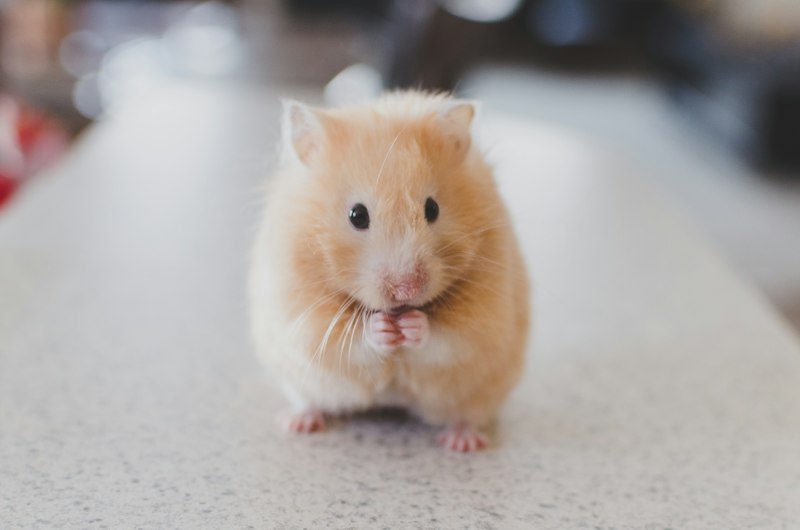
What is an Animal Allergy?
An animal or pet allergy is a sensitivity or reaction caused by the dander, fur, saliva, or urine of a pet or animal. Allergic reactions may include sneezing, runny nose, or difficulty breathing. Animal allergies may arise after being near any animal, but are most common with cats and dogs.
Animal allergies can be easily prevented by avoiding contact with the animal or pet causing the reaction. However, treatments including allergy medications and allergy shots are also available for those who cannot avoid exposure.
Symptoms
Common symptoms of animal allergies are similar to hay fever or asthma and include:
- Sneezing and runny nose
- Itchy, watery eyes
- Wheezing or difficulty breathing
- Skin rashes or irritation
When to See a Doctor
If your pet allergy symptoms are severe enough that you experience significant difficulty breathing, sleeping, or conducting normal activities, call our office at (602) 995-5909.
Causes
Animal allergies are caused by sensitivity to the dander, fur, saliva, or urine of a pet or animal. The immune system mistakenly identifies these proteins as harmful and triggers an inflammatory response.
Diagnosis & Tests
In addition to reviewing your symptoms and lifestyle, Dr. Zoeteman may use a variety of tools to diagnose your animal allergy:
- Physical examination of sinus lining and skin
- Skin allergy test — allergen samples applied to skin and observed for reaction
- Blood test to detect IgE antibodies
Treatment Options
While the best treatment is avoiding the animal causing your reaction, we understand that isn't always possible. Treatment options include:
- Allergy immunotherapy (allergy shots) — a long-term treatment that reduces sensitivity to allergens. Many patients improve enough to reduce or stop regular allergy medications.
- EpiPen — for patients at risk of serious allergic reactions, a pen-sized epinephrine device can ease severe reactions quickly.
- Antihistamines, decongestants, and corticosteroids — prescription and over-the-counter medications to manage symptoms.
Prevention
Animal allergies can often be prevented by avoiding contact with the animal or pet causing the reaction. Regular cleaning, air purifiers, and keeping pets out of bedrooms can also significantly reduce exposure.