What Is a Mold Allergy?
A mold allergy is an allergic reaction caused by inhaling or being exposed to mold spores in indoor or outdoor environments. Mold spores are microscopic and can trigger reactions year-round, though symptoms may worsen during damp seasons or in environments with poor ventilation and high humidity.
If you have asthma, a mold allergy may significantly worsen your condition, causing increased coughing, wheezing, and shortness of breath.
Symptoms
Common mold allergy symptoms include:
- Sneezing and coughing
- Runny nose and congested sinuses
- Itchy or watery eyes
- Wheezing and chest tightness
- Worsening asthma symptoms
When to See a Doctor
Consult Dr. Zoeteman if your symptoms persist for several days or worsen to the point of disrupting sleep or normal activity. Individuals with asthma should seek evaluation promptly as mold exposure can trigger dangerous exacerbations.
Causes
Mold allergy occurs when the immune system over-responds to mold spores, triggering nasal inflammation and other allergic symptoms. Risk is higher in homes or workplaces with elevated humidity, moisture damage, or poor ventilation.
Diagnosis & Tests
- Skin allergy test — mold allergen samples are applied to the skin and observed for reaction
- Blood test measuring IgE antibody levels to specific mold types
Treatment Options
The most effective approach is reducing mold exposure. When complete avoidance is impossible, treatment options include:
- Allergy immunotherapy (allergy shots) — reduces long-term sensitivity to mold allergens
- Antihistamines and decongestants for symptom control
- Corticosteroid nasal sprays for inflammation
- Montelukast (Singulair) for patients with asthma
- Nasal rinse to flush allergens from nasal passages
Prevention
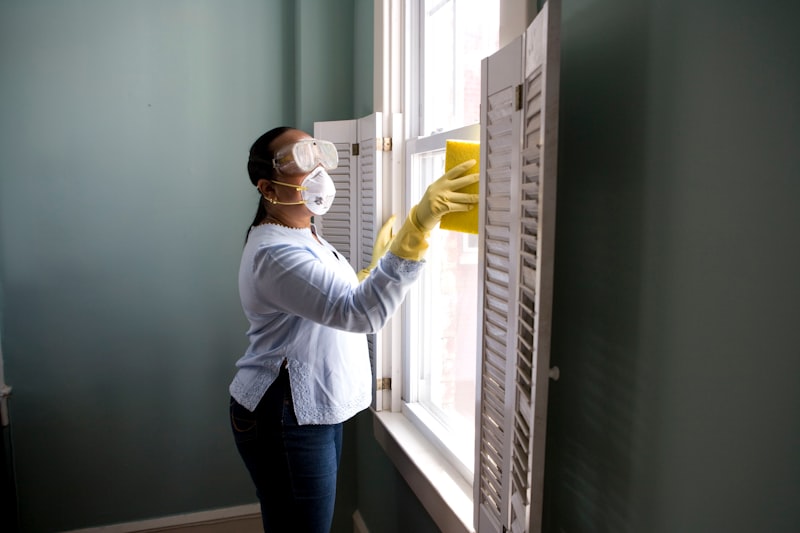
Reduce mold growth by maintaining indoor humidity below 50%, fixing leaks promptly, using exhaust fans in bathrooms and kitchens, and inspecting for mold in basements and crawl spaces. Avoid outdoor activities during peak mold times — typically warm, damp, or windy conditions.